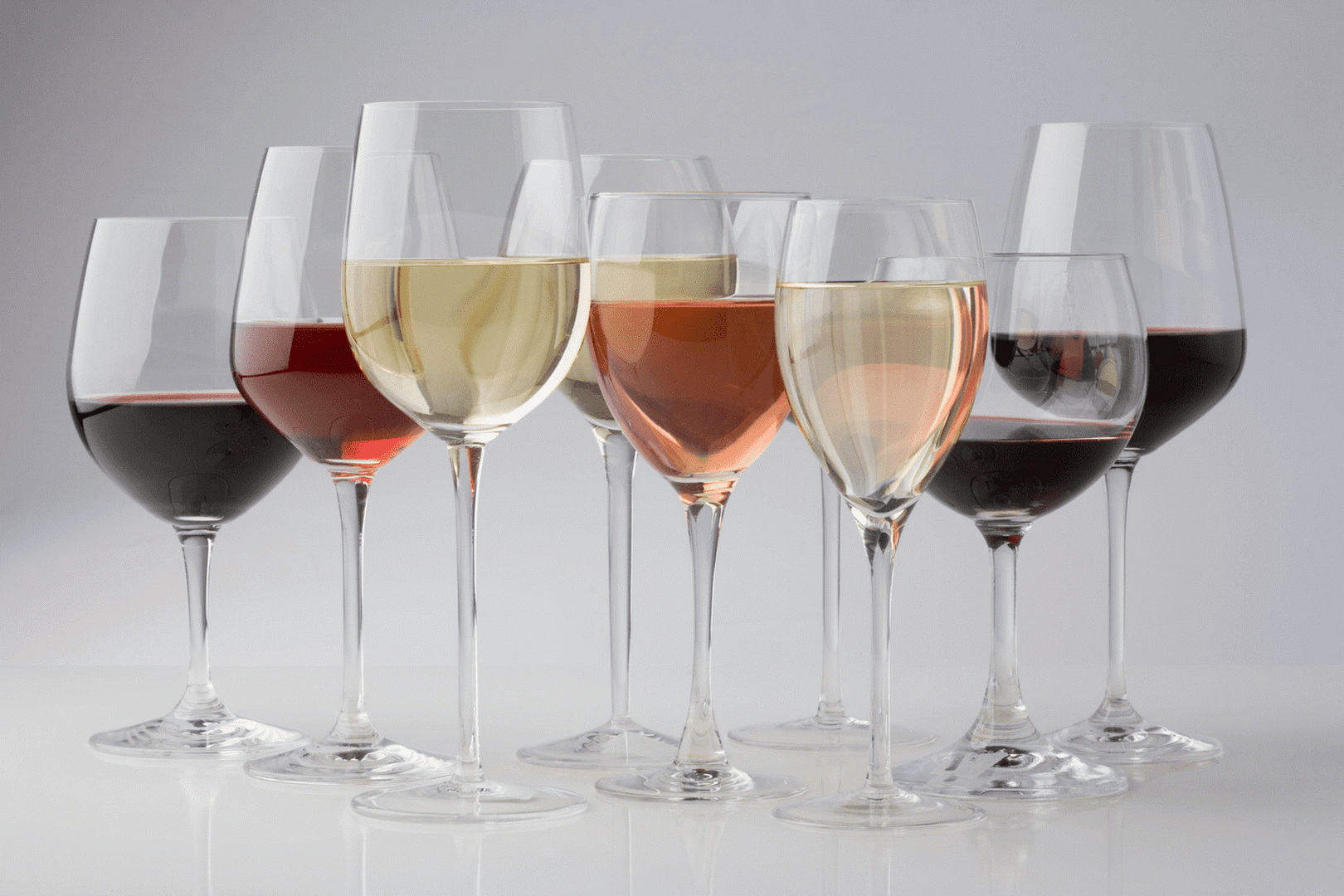

At Make Wine With Us, our goal is to obtain grapes from the very best grape growing regions of the world. The varietals from regions in California, Italy, and Chile represent some of the finest grapes known to winemakers. You will find grapes varying in body, acidity, and tannins. Let us help you find the perfect grape to fit your palate, from full-bodied reds to crisp white wines. Our objective is to assist you, our winemaker, in turning those grapes into wines you’ll continuously enjoy!

Raise your glass to our California grapes! Procured from the Mediterranean climate and sandy soil of Lodi, in Central Valley, to the rich soil of Amador County in the rolling foothills of the Sierra Nevada mountains, discover varietals from Barbera to Tempranillo. These grapes are aromatic, fruit-forward, and perfect for pressing during the fall harvest.

Italian juices, made from premium grapes, produce extraordinary wines. Varietals include Brunello, Dolcetto, Lambrusco, Black Malvasia, Meritage, Montepulciano, and Valpolicella. Additionally, popular white wine varietals are available. Choices abound!

As spring enters the northern hemisphere it is harvest time in the southern hemisphere! Most of Chile’s premium wine regions acquire water from the melting snow caps of the Andes Mountains. And, with diverse soil composition, Chilean grapes grow in granite rich soil that’s perfect for award-winning reds.

For value conscious connoisseurs looking for a great wine, they need to look no further than Chile. With diverse soil composition, Chilean grapes grow in granite rich alluvial soil that’s perfect for award-winning reds. Join us to learn more about this region and why your next spring pressing may just be from Chile.

